.png?width=1370&height=492&name=Heartis%20Buckhead%20(1).png)
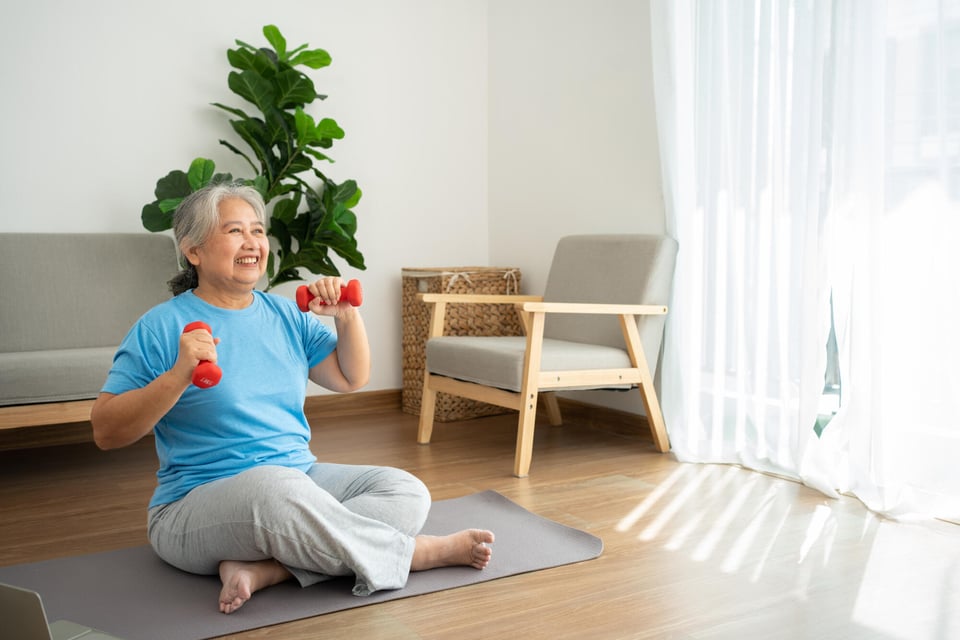
Gentle movement helps older adults stay confident, steady, and comfortable throughout the day. Simple routines support smoother motion, better balance, and long-lasting energy. For many people, exercise for seniors at home offers a flexible way to stay active in a familiar, low-pressure environment.
Atlanta's relaxed lifestyle makes at-home movement feel natural. Light routines help reduce stiffness and keep the body responsive for daily activities like standing, reaching, or walking short distances. These exercises work well for seniors who want freedom, comfort, and a pace that suits their needs.
Heartis Buckhead provides an encouraging atmosphere where wellness fits seamlessly into daily life. With supportive programs and peaceful indoor spaces, residents can enjoy routines that match their preferences. Here are practical, comfortable ways to rethink exercise at home.
What Are Good Exercises for Seniors to Do at Home?
At-home exercises should be gentle, steady, and easy to repeat. Movements like seated marches, slow arm lifts, and light stretching help keep muscles active without strain. These routines support balance and comfort while protecting the joints.
Seniors often start with seated routines because they provide stability and help warm up the legs and core. Stretching the shoulders and back helps prepare the upper body for daily motions like reaching or picking up items. This approach pairs well with home-friendly workouts because it encourages safe, achievable activity.
Simple Home Routines
Seniors can begin with slow, controlled movements that engage the arms and legs. A sturdy chair supports good posture, making exercises feel stable and comfortable. These movements help maintain the ease needed for transitions throughout the day.
How Can Seniors Stay Active at Home Safely?
Safe activity begins with creating a calm, supportive environment. Seniors benefit from clear walking paths, steady furniture, and comfortable shoes. These elements reduce uncertainty and help them focus on slow, intentional movement.
Using a countertop or chair for balance allows seniors to practice standing exercises safely. Gentle heel lifts or side-to-side steps help activate key muscles used for walking and standing. Taking time with each movement encourages control and confidence.
Preparing a Safe Space
Before exercising, seniors can check that the floor is free of clutter and that seating or support surfaces are stable. Good lighting also helps make movement feel more secure. These small preparations encourage safe movement indoors and help older adults build consistent habits.
What Are the Benefits of Home Exercise for Older Adults?
Home exercise helps seniors maintain mobility, strength, and comfort. Daily activity reduces stiffness, supports circulation, and encourages smoother motion during tasks like rising from a chair or walking through a room. These routines provide a sense of familiarity because they fit naturally into daily patterns.
Movement also supports emotional well-being. A few minutes of stretching or gentle stepping can improve focus and brighten the day. Seniors often feel more confident when their bodies respond comfortably during normal activities.
These benefits pair well with mobility in later life by helping older adults maintain independence and steady movement, even as needs change.
Comfort and Consistency
At-home routines help seniors build confidence by offering dependable, predictable activities. Regular movement helps the body stay prepared for daily responsibilities, creating a rhythm that supports long-term comfort.
How Do Low-Impact Exercises Help Seniors?
Low-impact exercises protect the joints while offering meaningful activity. These routines involve slow, controlled motions that encourage flexibility and stability. Seniors enjoy them because they are gentle, familiar, and enjoyable to repeat.
Stretching the hips, legs, and shoulders helps loosen tight muscles and supports smoother movement. Paired with steady breathing, these exercises help older adults feel more relaxed and focused.
Improving Daily Comfort
Low-impact movements promote circulation and reduce the stiffness that often develops throughout the day. These routines support independent living fitness by helping seniors feel stable, comfortable, and ready for light activity around the home.
What Simple Movements Can Seniors Do Every Day?
Daily movement doesn't need to be complicated. Small routines such as gentle torso twists, slow marching in place, or controlled heel raises help the body stay prepared for everyday tasks. These movements take only a few minutes and require no equipment.
Seniors can incorporate movement into morning stretches, midday activity breaks, or quiet evening routines. This flexibility encourages staying active at home without strict schedules or pressure. Light repetition helps maintain muscle engagement and supports long-term well-being.
Frequently Asked Questions
How Much Exercise Should Seniors Aim for Each Week?
Seniors benefit from several short exercise sessions throughout the week. Gentle routines lasting 10 to 15 minutes help maintain strength, flexibility, and balance. Many older adults enjoy spreading activity across different parts of the day, which makes movement feel natural and manageable.
Are Home Exercises Effective for Strength and Balance?
Yes. At-home routines that include seated marches, leg lifts, or steady standing exercises help maintain essential muscles. With repetition, these movements support smoother transitions between sitting and standing and help older adults feel more secure while walking around their home.
Do Seniors Need Equipment to Exercise at Home?
Most seniors do not need equipment. A sturdy chair, comfortable clothing, and open floor space are enough for safe routines. Some older adults enjoy adding light resistance bands for variety, but these are optional and not required for effective exercise.
Can Seniors Exercise Safely on Their Own?
Home exercise is safe when seniors move slowly and create a well-organized space. Good lighting, stable furniture, and cleared pathways help reduce uncertainty. Older adults can also keep a phone nearby for reassurance. Familiar routines support safe, independent movement at home.
How Can Seniors Build a Consistent Exercise Habit?
Consistency grows when routines feel simple and enjoyable. Seniors may find it helpful to pair movement with daily activities, such as stretching after waking up or doing gentle leg exercises before meals. Small, predictable habits encourage ongoing activity and support overall comfort.
Exercise for Seniors at Home and Life at Heartis Buckhead
Daily movement helps older adults stay comfortable, flexible, and confident. With simple routines, exercise for seniors at home becomes a natural part of wellness that supports long-term independence and steady mobility.
Heartis Buckhead offers vibrant Assisted Living and Memory Care with chef-prepared meals, personalized wellness programs, 24/7 caregiving, and beautifully designed spaces that encourage gentle movement. Residents enjoy a lifestyle that blends independence with meaningful support. Visit the Contact page to learn more or schedule a personal tour.
_(1)-2.jpg?width=1200&height=899&name=Heartis-Buckhead-Exterior-11_(1)_(1)-2.jpg)